Loading…

Subcategory
The Silk category encompasses a range of silk fibers and fabrics derived from silkworms, primarily used in the textile and apparel industries. Main product groups include raw silk, silk yarn, silk fabrics, and silk blends. Industries such as fashion, home textiles, and luxury goods frequently source silk for its unique properties and aesthetic appeal.
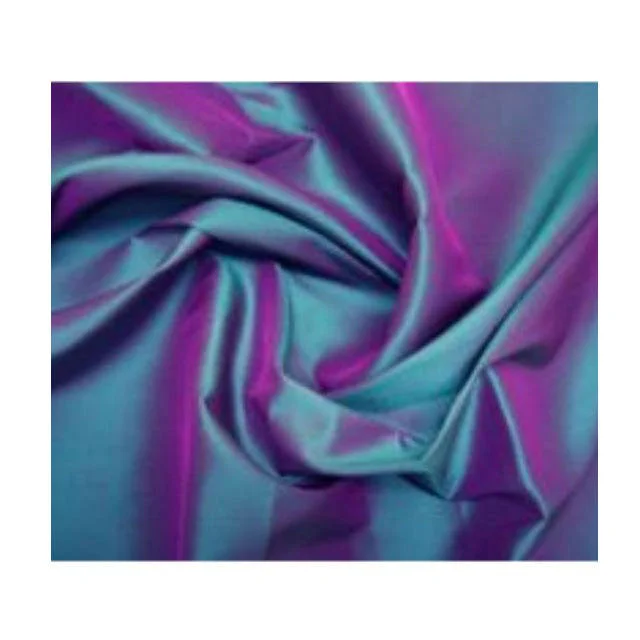
When sourcing silk, buyers should compare different types of silk, such as mulberry silk or wild silk, based on their intended application. It's important to specify the desired weight, weave, and finish in inquiries to ensure the right product is sourced. Additionally, common quality considerations include the silk's grade, luster, and any certifications related to sustainability or ethical sourcing.
Common types include mulberry silk, tussah silk, and eri silk, each with unique characteristics.
Quality can be assessed by examining factors such as luster, smoothness, and the silk's grade.
Yes, buyers can look for silk certified by organizations that promote ethical and sustainable practices.
Silk is primarily used in the fashion, home textiles, and luxury goods industries.
Clearly outline the type of silk, weight, weave, and any specific finishes or treatments needed.
Silk fabrics are commonly used for clothing, accessories, upholstery, and decorative items.
Yes, silk is often blended with fibers like cotton, wool, or polyester to enhance durability and functionality.
Look for compliance with international textile standards and certifications related to sustainability and safety.
Sourcing something in Silk?
Tell us your requirement and our team brings you quotes from verified manufacturers.