Loading…

Subcategory
The Tires category encompasses a wide range of tires used in various vehicles, including passenger cars, trucks, and off-road vehicles. Key product groups include all-season tires, winter tires, performance tires, and specialty tires designed for specific applications. Industries that commonly source tires include automotive manufacturing, transportation, and logistics, as well as recreational sectors such as motorsports and outdoor activities.
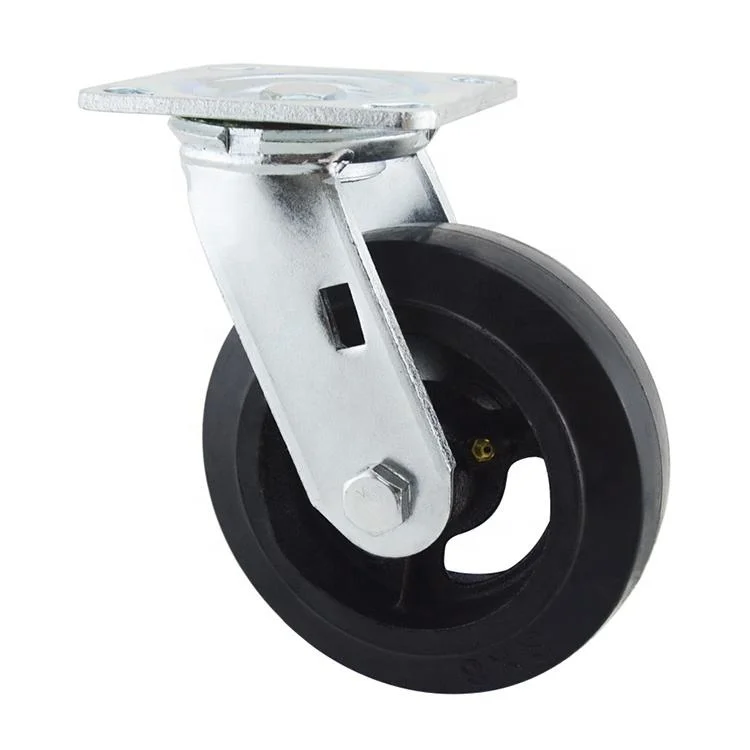
When sourcing tires, buyers should compare factors such as tread design, rubber composition, and performance ratings to ensure suitability for their specific vehicle and usage conditions. It is important to specify the vehicle type, load capacity, and climate conditions in inquiries. Additionally, buyers should consider compliance with safety standards and certifications, as well as the manufacturer's warranty and service options.
Passenger vehicles typically use all-season, winter, and performance tires.
The right tire size can be found in the vehicle's owner manual or on the tire placard located on the driver's side door jamb.
All-season tires are designed for moderate conditions, while winter tires provide enhanced traction in snow and ice.
Yes, tires must meet safety standards set by organizations such as the Department of Transportation (DOT) in the U.S.
Tires should be replaced when tread depth is below 2/32 of an inch or if there are visible signs of damage.
Tire performance can be influenced by tread pattern, rubber compound, inflation pressure, and vehicle load.
It is generally not recommended to mix different types of tires, as this can affect handling and safety.
Regular tire maintenance, including rotation and alignment, is crucial for extending tire life and ensuring safety.
Sourcing something in Tires?
Tell us your requirement and our team brings you quotes from verified manufacturers.