Loading…

Product type
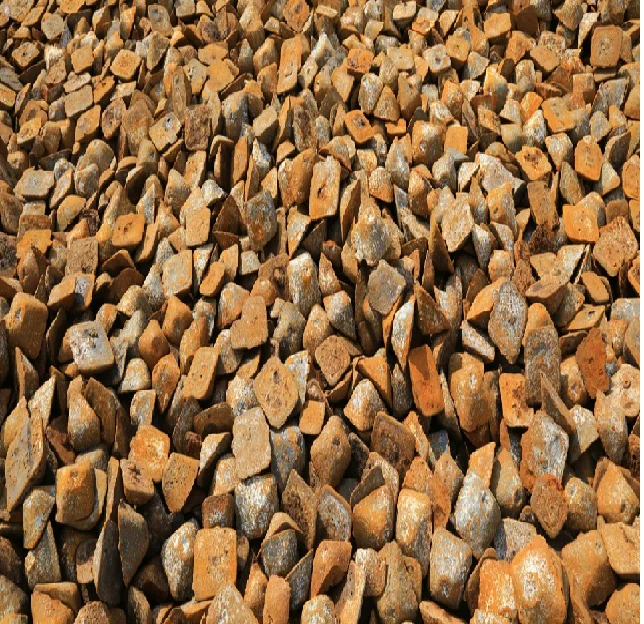
Steel grade pig iron is a primary raw material used in the production of steel and various ferrous alloys. It is produced by smelting iron ore in a blast furnace, where impurities are removed, and carbon is added to achieve the desired composition. Pig iron typically contains high carbon content, along with other elements such as silicon, manganese, and sulfur, which influence its properties and applications.
| Carbon content | 3.0% to 4.5% |
| Silicon content | 1.0% to 3.0% |
| Manganese content | 0.5% to 1.5% |
| Phosphorus content | 0.1% to 1.0% |
| Sulfur content | 0.02% to 0.1% |
| Typical forms | Lumps, granules, or cast iron |
When selecting steel grade pig iron, buyers should consider the specific carbon and alloying element requirements for their intended application. It is important to specify the desired grades, tolerances, and any relevant certifications. Additionally, buyers should determine the quantity needed for their production processes to ensure proper supply chain management.
Get quotes for Steel Grade Pig Iron
Tell us your requirement — quantity, specs and timeline — and our team sources verified manufacturers and brings you the best quote.
Pig iron is a raw material with high carbon content, while cast iron is a product made from pig iron that has been melted and poured into molds.
Pig iron is produced by smelting iron ore in a blast furnace, where impurities are removed and carbon is added.
Pig iron is primarily used in steel manufacturing and foundries for producing cast iron products.
Yes, pig iron can be recycled and reprocessed into new steel or iron products.
Prices can be influenced by raw material costs, production methods, market demand, and global economic conditions.
While there are typical ranges for its composition, specific standards may vary by region and application.