Loading…

Product type
Copper catalysts are chemical compounds that facilitate reactions in various industrial processes without being consumed in the reaction. Typically composed of copper in various forms, such as metal, oxide, or supported on a carrier material, these catalysts are essential in enhancing reaction rates and improving yield in chemical manufacturing. They are widely used in processes like hydrogenation, oxidation, and synthesis of organic compounds.
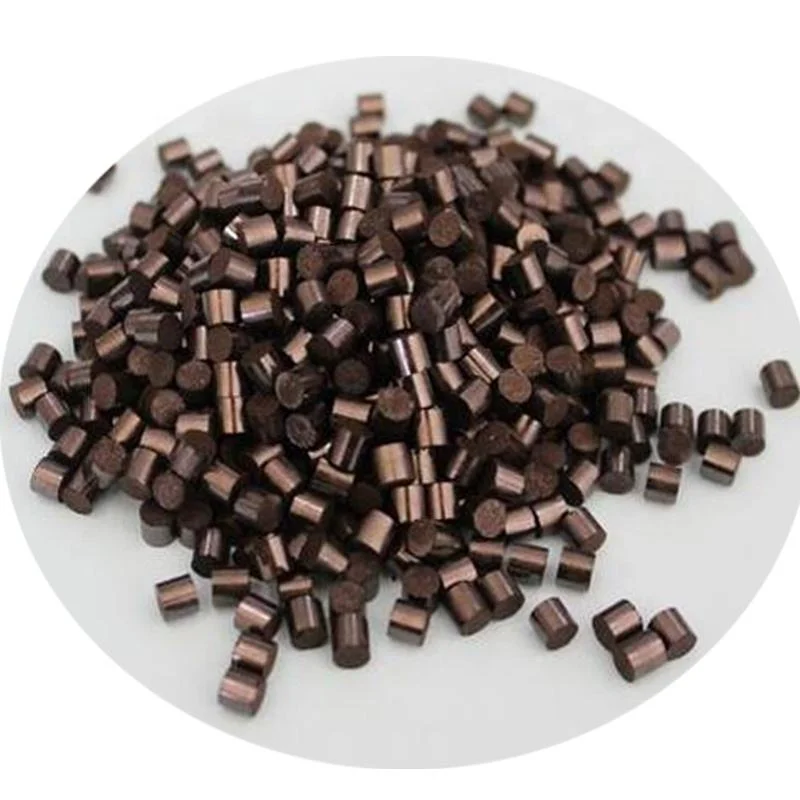
| Composition | Copper metal, copper oxide, or copper salts |
| Form | Powder, pellets, or supported on carriers |
| Purity | Typically greater than 95% |
| Particle size | 10 to 100 microns |
| Operating temperature | Varies by application, typically 100°C to 300°C |
When selecting a copper catalyst, consider the specific chemical reaction and process conditions, such as temperature and pressure. It is important to specify the desired purity level, particle size, and form of the catalyst. Additionally, inquire about any certifications or compliance with industry standards relevant to your application. Quantities may vary based on the scale of your operation, so be clear about your needs when requesting a quote.
Get quotes for Copper Catalyst
Tell us your requirement — quantity, specs and timeline — and our team sources verified manufacturers and brings you the best quote.
Copper catalysts are commonly used for hydrogenation, oxidation, and various organic synthesis reactions.
Purity requirements depend on the specific chemical process; consult with your process engineer to determine the necessary level.
Yes, many copper catalysts can be reused, but their effectiveness may decrease over time due to deactivation.
They are available in powder, pellet, or supported forms, depending on the application.
Yes, proper handling and safety measures should be followed, as some forms may pose health risks.
They are widely used in petrochemicals, pharmaceuticals, and fine chemicals production.