Loading…

Product type
Imidacloprid is a systemic insecticide belonging to the neonicotinoid class, primarily used for controlling a variety of pests in agricultural settings. It works by interfering with the transmission of nerve impulses in insects, leading to paralysis and death. This compound is typically applied to crops either through soil treatment or foliar sprays, ensuring effective pest management while minimizing harm to beneficial insects when used correctly.
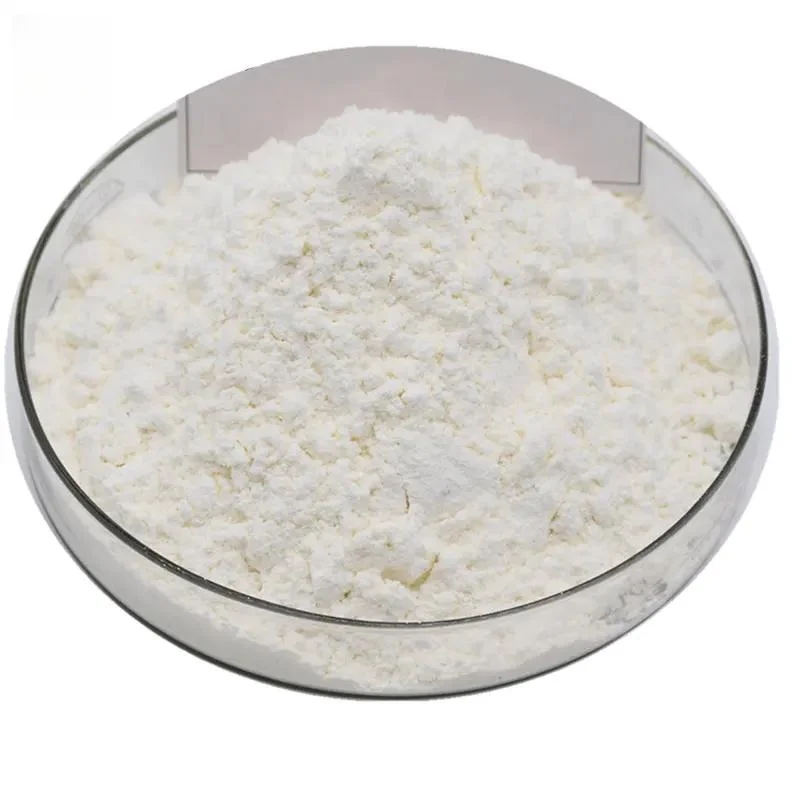
| Chemical formula | C9H10ClN5O2 |
| Appearance | White to light brown crystalline powder |
| Solubility | Soluble in water and organic solvents |
| Application methods | Foliar spray, soil drench, seed treatment |
| Active ingredient concentration | Typically 10% to 70% |
When selecting Imidacloprid, consider the specific pests you need to control and the crops you are treating. It's important to specify the desired concentration of the active ingredient and the application method that best suits your needs. Additionally, inquire about any relevant certifications and safety data sheets to ensure compliance with local regulations. Quantities may vary based on the scale of application, so provide estimates for your requirements.
Get quotes for Imidacloprid Insecticide
Tell us your requirement — quantity, specs and timeline — and our team sources verified manufacturers and brings you the best quote.
It is effective against a wide range of pests, including aphids, whiteflies, and termites.
When used according to label directions, it poses a lower risk to beneficial insects compared to other insecticides.
It can be applied as a foliar spray, soil drench, or seed treatment, depending on the target pest and crop.
Always wear protective equipment and follow local regulations regarding application and safety.
No, Imidacloprid is not approved for use in organic farming due to its synthetic nature.
Its shelf life can range from 2 to 3 years if stored properly in a cool, dry place.