Loading…

Product type
Nickel catalysts are substances that accelerate chemical reactions involving nickel as the active metal component. They are typically composed of nickel in various forms, including nickel oxide or nickel supported on other materials. These catalysts are widely used in hydrogenation reactions, where they facilitate the addition of hydrogen to organic compounds, making them essential in the production of various chemicals and fuels.
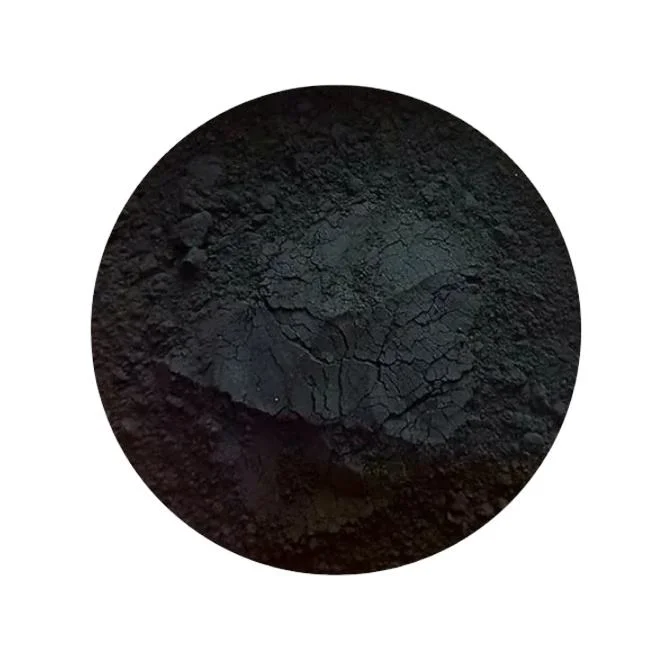
| Active metal content | 10% to 60% nickel |
| Support material | Alumina, silica, or carbon |
| Particle size | 100 to 500 microns |
| Form | Powder or pellets |
| Operating temperature | 100°C to 300°C |
When selecting a nickel catalyst, buyers should consider the specific chemical reactions they intend to facilitate and the desired active metal content. It's important to specify the support material and particle size, as these factors can significantly influence the catalyst's performance. Additionally, buyers should inquire about the catalyst's operating temperature range and any relevant certifications or quality standards applicable to their industry.
Get quotes for Nickel Catalyst
Tell us your requirement — quantity, specs and timeline — and our team sources verified manufacturers and brings you the best quote.
Nickel catalysts are primarily used in hydrogenation reactions to add hydrogen to organic compounds.
They are available in powder or pellet form, depending on the application.
Consider the reaction type, active metal content, support material, and operating conditions.
Active metal content typically ranges from 10% to 60% nickel.
Yes, many nickel catalysts can be reused, but their effectiveness may diminish over time.
They are commonly used in petrochemical, pharmaceutical, and food processing industries.