Loading…

Subcategory
Natural Colors are derived from plant, animal, or mineral sources and are used to enhance the visual appeal of food products. This category includes various types of natural colorants such as fruit and vegetable extracts, spices, and other botanical sources. Industries that commonly source natural colors include food and beverage manufacturing, cosmetics, and pharmaceuticals, where there is a growing demand for clean label ingredients.
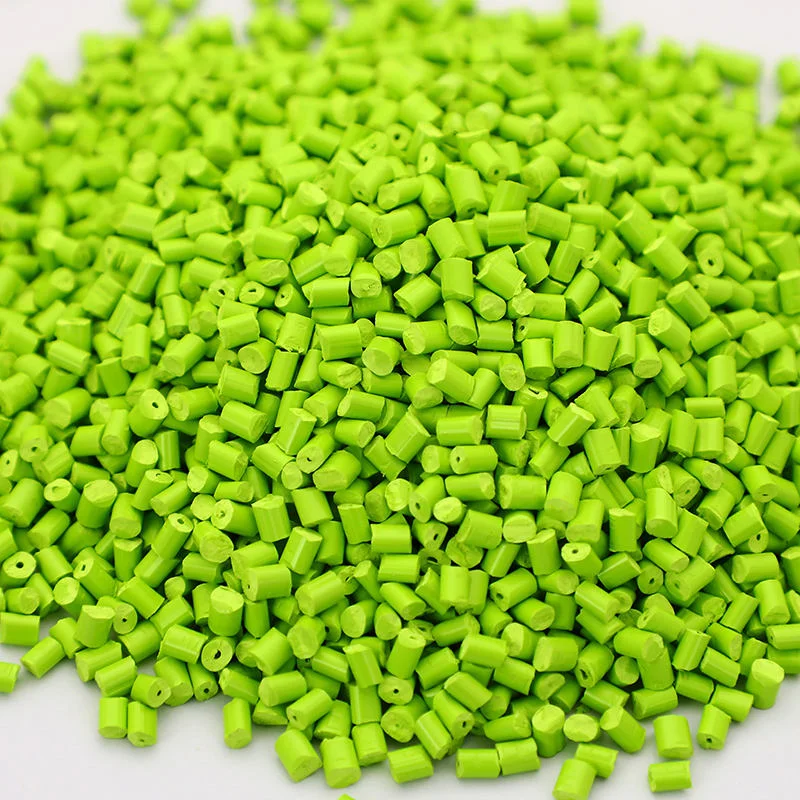
When sourcing natural colors, buyers should compare the source, stability, and regulatory compliance of the colorants. It is important to specify the intended application, desired shade, and any specific certifications required, such as organic or non-GMO. Common quality considerations include purity, potency, and adherence to food safety standards.
Natural colors are used in a wide range of products, including beverages, snacks, dairy items, and baked goods.
Natural colors can be more expensive due to the sourcing and extraction processes involved, but prices vary based on the source and application.
Request certificates of analysis, check for compliance with food safety regulations, and consider supplier reputation.
Generally, natural colors are formulated to have minimal impact on taste, but some may impart a slight flavor depending on the source.
Look for certifications such as organic, non-GMO, and allergen-free, depending on your product requirements.
Stability can vary; factors like pH, temperature, and light exposure can affect the performance of natural colors.
Yes, many natural colors are suitable for beverages, but it's important to check their solubility and stability in liquid formulations.
Natural colors must comply with local food safety regulations, which may include approval from food safety authorities.
Sourcing something in Natural Colors?
Tell us your requirement and our team brings you quotes from verified manufacturers.