Loading…

Subcategory
The Other Non Ferrous Metals category encompasses a variety of metals that do not contain significant amounts of iron. This includes materials such as titanium, magnesium, and zinc, among others. These metals are utilized across various industries including aerospace, automotive, electronics, and construction due to their unique properties such as lightweight, corrosion resistance, and high strength-to-weight ratios.
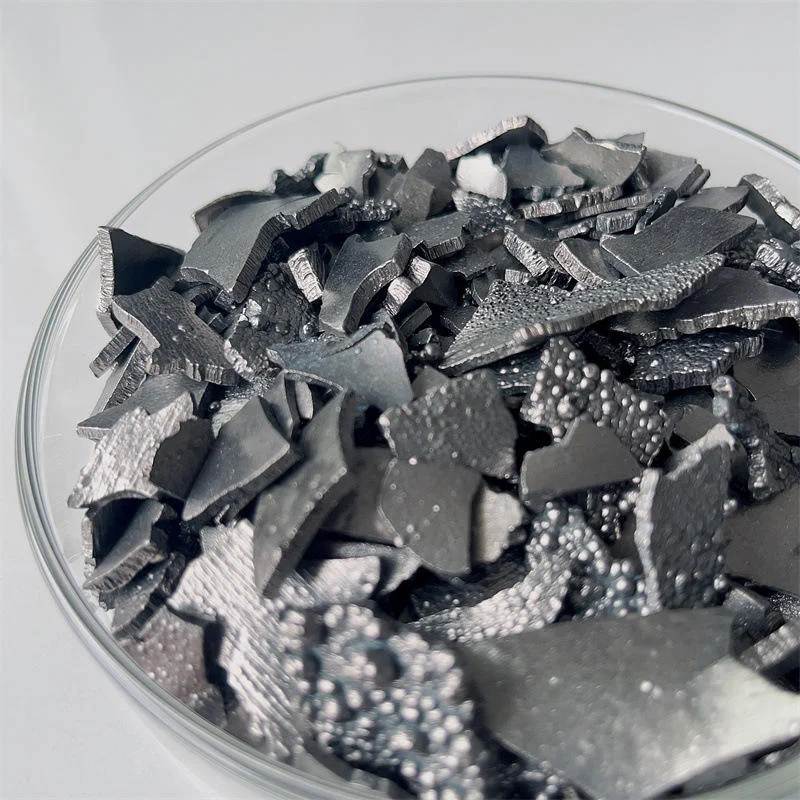
When sourcing metals in this category, buyers should compare the specific properties of each metal, such as tensile strength, thermal conductivity, and corrosion resistance. It is important to specify the intended application and any relevant industry standards in your enquiries to ensure compliance. Common quality considerations include certifications for purity and mechanical properties, as well as compliance with environmental regulations.
These metals are commonly used in aerospace, automotive, electronics, and construction applications.
Consider factors such as weight, strength, corrosion resistance, and thermal properties based on your project's requirements.
Look for certifications that indicate material purity, mechanical properties, and compliance with industry standards.
Yes, ensure that the materials comply with local and international environmental regulations regarding sourcing and usage.
Ferrous metals contain iron, while non-ferrous metals do not, which affects their properties and applications.
Request material test reports and certifications from suppliers to verify the quality and compliance of the metals.
Yes, non-ferrous metals are highly recyclable and often have a lower environmental impact compared to ferrous metals.
Cost factors include the type of metal, market demand, purity levels, and processing requirements.
Sourcing something in Other Non Ferrous Metals?
Tell us your requirement and our team brings you quotes from verified manufacturers.